A new concrete driveway, patio, or pathway can completely refresh the look and function of your home, but concreting is one of the jobs where small mistakes can lead to big problems later. Many Brisbane Northside homeowners take on DIY concrete projects or hire inexperienced, unlicensed contractors, only to face cracks, uneven surfaces, or drainage issues just months after the work is done. Brisbane’s climate brings hot, humid summers and sudden downpours, and many Northside suburbs also have clay-heavy soils that can make concreting more challenging.
In this post, we’ll take a look at the 9 most common mistakes homeowners make when working with concrete and how to avoid them.
Mistake #1: Poor Planning and Measurement
Underestimating the amount of concrete needed is one of the most common mistakes. Ordering too little can leave you scrambling for extra supply, which often results in cold joints or weak joins where the new concrete meets the older section. This looks untidy and can compromise the slab’s strength.
Another frequent oversight is failing to account for slope and drainage. A flat slab without proper runoff can lead to water pooling on driveways or near foundations, causing cracks, erosion, and even structural damage. The risk is higher in some low-lying or flood-prone suburbs of Brisbane, such as Deagon, Boondall, and Brighton, where heavy rain can overwhelm poorly designed surfaces.
Mistake #2: Choosing the Wrong Concrete Mix or Ratio
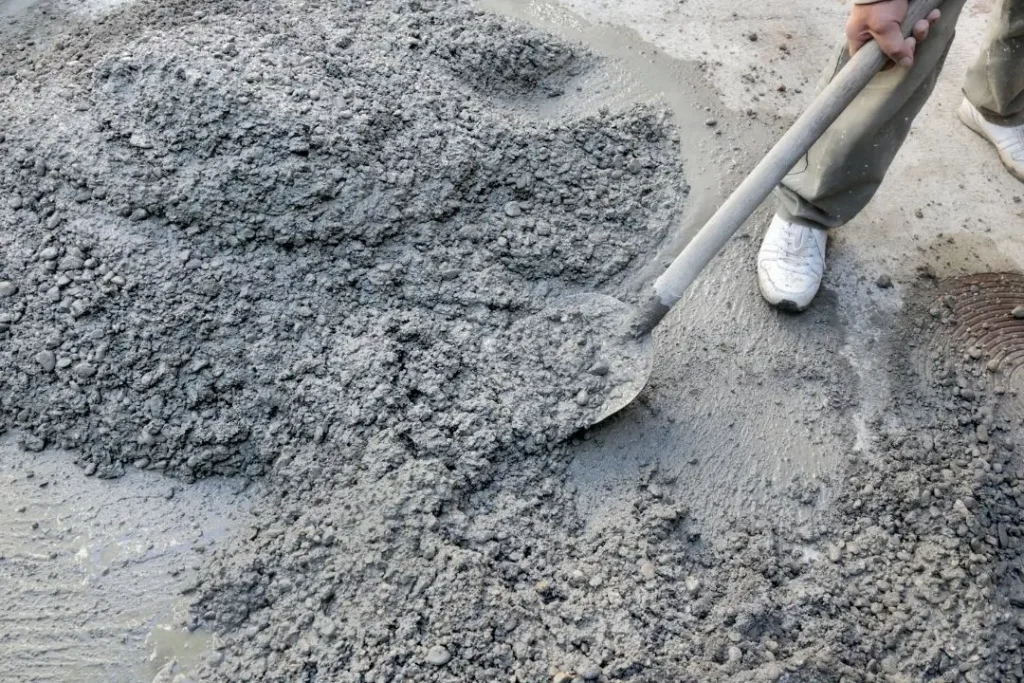
Using a low-strength mix for a high-traffic area like a driveway can lead to cracking under the weight of vehicles. This is a common issue in family homes with multiple cars or heavier vehicles like boats and trailers that often use the driveway.
Another problem is getting the water-to-cement ratio wrong. Adding too much water might make the mix easier to pour, but it significantly reduces the slab’s strength and lifespan. On the flip side, using too little water can make the concrete hard to work with and lead to poor compaction. The safest approach is to match the mix to the purpose of the slab and follow the recommended water-to-cement ratio.
Mistake #3: Inadequate Site Preparation
A slab is only as strong as the ground beneath it. Skipping proper site preparation, such as clearing debris, levelling the area, compacting the soil, and adding a base layer of gravel, can cause uneven settling, sinking, or cracking within months. This step is especially important in areas with clay-heavy soils. Clay expands when wet and contracts when it dries, putting constant pressure on the slab.
Without a stable, compact base, even the best concrete mix will struggle to perform over time, so you need to invest time and effort in a well-prepared site.

Mistake #4: Skipping Reinforcement
Reinforcement mesh or rebar adds crucial strength to a concrete slab, helping it resist cracking and movement over time. Some homeowners skip this step to save money, but the short-term savings rarely outweigh the long-term repair costs. This is especially true for driveways, patios, and high-load areas where vehicles or heavy equipment will be used regularly.
Properties with wide driveways or larger entertaining spaces, reinforcement is even more important to handle the added weight and prevent structural issues. Without it, slabs are far more likely to shift, crack, or even break apart. You can find more about the technical requirements for concrete and reinforcement in the National Construction Code.
Mistake #5: Pouring in Unsuitable Weather
Brisbane’s weather can be unpredictable and timing a concrete pour without considering the forecast can lead to serious problems. Extreme heat causes water in the mix to evaporate too quickly, resulting in surface cracking and reduced strength. Sudden heavy rains can wash out the cement, leaving a weakened and uneven finish.
These risks are higher in the warmer months when areas can experience scorching mornings followed by intense afternoon storms. Without planning for these conditions, even well-prepared projects can be ruined in a matter of minutes. Schedule pours early in the morning or during cooler, dry weather. If there’s a chance of rain, have protective covers ready or be prepared to delay the job.
Mistake #6: Mistimed Levelling or Finishing
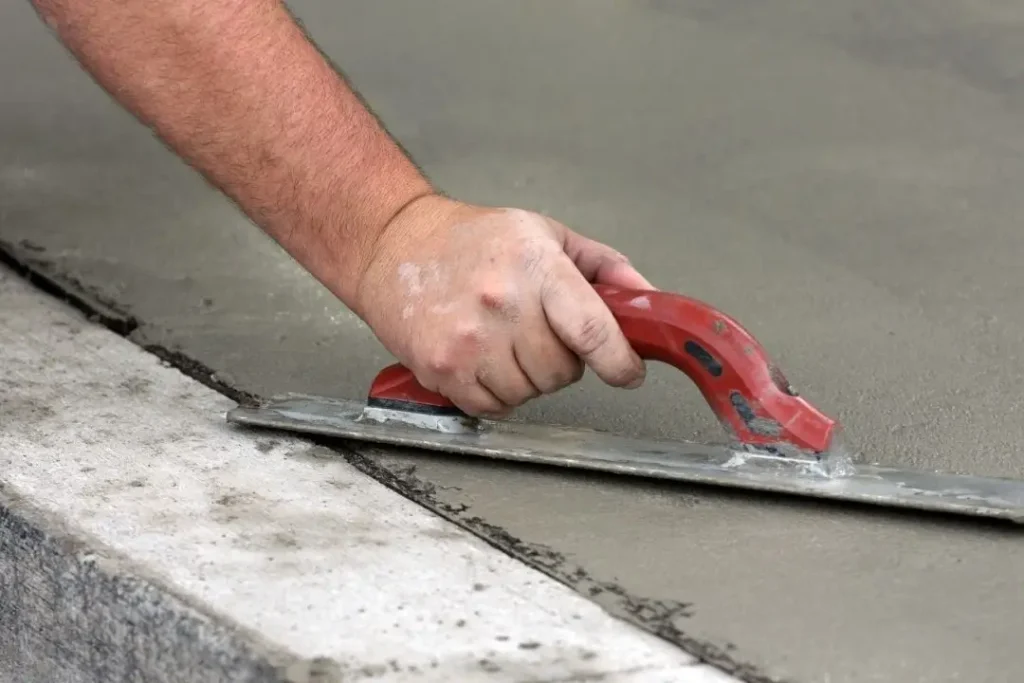
Once the concrete is poured, every step that follows needs to be done in the right order and at the right pace. Levelling too quickly can mean the surface hasn’t settled properly, leading to hidden weak spots. Waiting too long before finishing can cause the surface to harden before it’s smoothed, resulting in rough patches, visible seams, or an uneven texture.
When large areas are poured at once, timing becomes even more critical. The larger the slab, the more coordinated the team needs to be to ensure a consistent finish from one end to the other. Have all tools, equipment, and helpers ready before the pour begins so levelling and finishing can be done at the ideal time for a smooth, strong result.
Mistake #7: Removing Forms Too Early
Formwork holds the slab in place while it cures, keeping the edges neat and the shape stable. Taking the forms off too soon can cause edges to crumble or the slab to shift, which affects the finish and weakens the structure. This is a mistake that often happens when homeowners are eager to see the finished product or reuse the formwork for another project.
However, Brisbane’s weather can make concrete appear set on the surface while it’s still gaining strength inside. Removing the forms before the slab has fully cured can undo hours of work in minutes. Leave the formwork in place for the recommended time, usually 24-48 hours, or follow the advice of your concreter to ensure the slab is strong enough to stand on its own.
Mistake #8: Failing to Seal After Curing
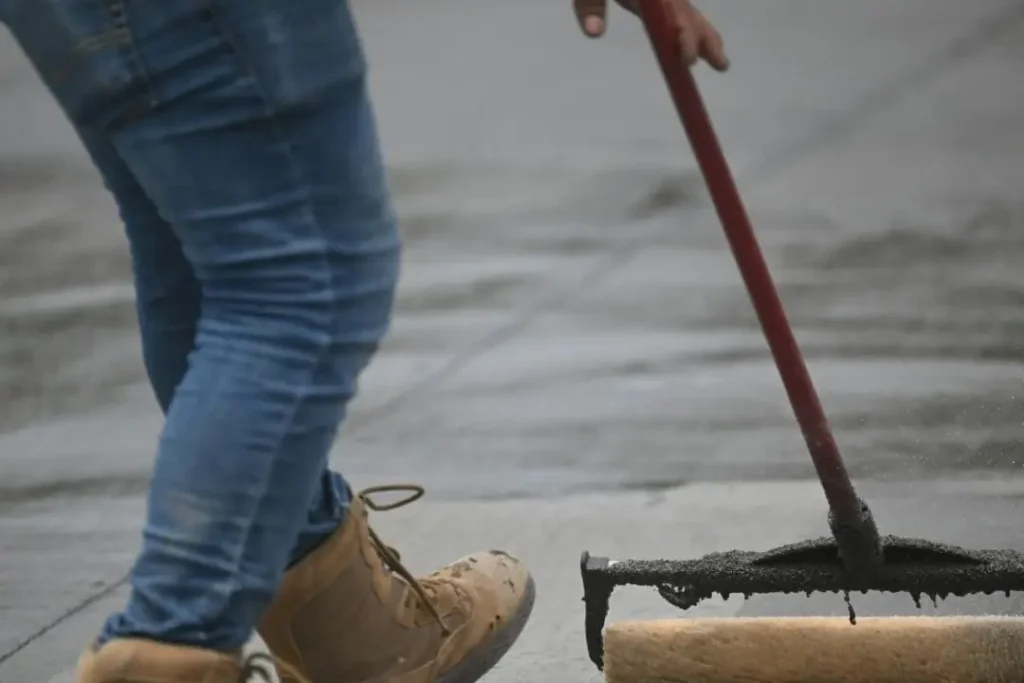
Concrete might look solid and impenetrable, but it’s naturally porous. Without a sealer, it can absorb water, oils, and stains, leading to mould growth, fading, and surface deterioration over time. Moisture often lingers after summer storms in Brisbane’s humid climate, increasing the risk of damage to unsealed concrete over time. A good sealer protects against moisture and stains and guards against UV damage from the sun. It can even enhance the colour and finish of decorative concrete, keeping your driveway, patio, or path looking fresh for years. If you are looking for a range of sealers suitable for Brisbane conditions, we recommend the range from Dulux Avista.
Mistake #9: Ignoring Non-Slip Textured Finishes
While a smooth concrete surface can look clean and modern, it can also be dangerous once it gets wet. This is a real concern for driveways, garden paths, and pool surrounds, where a slippery surface increases the risk of falls or vehicles losing traction. Outdoor concrete can stay wet long after the rain stops, making slip resistance an important safety feature.
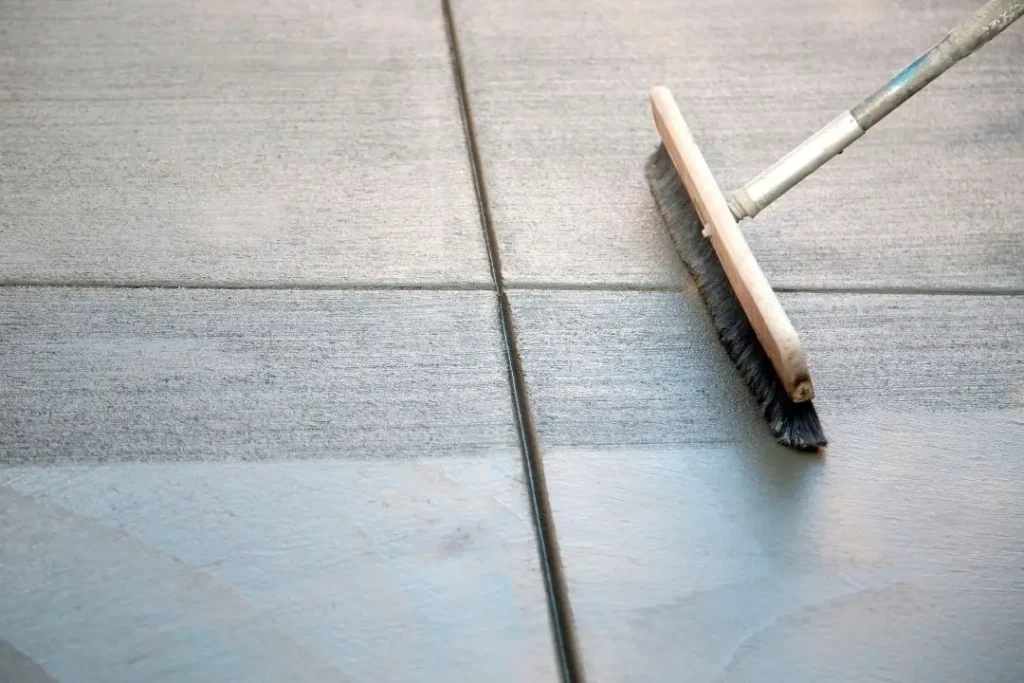
A non-slip finish not only helps prevent accidents but can also add character to your concrete. Popular options include broom finishes for a subtle grip, exposed aggregate for a decorative and durable surface, or textured sealers that improve traction while protecting against weather damage.
Conclusion
Concrete work is an investment in your home’s safety, function, and street appeal, but cutting corners or skipping key steps often leads to problems like cracking, staining, or even complete slab failure. Many of these issues happen when homeowners take on concreting as a DIY project or hire someone without the right experience. The cost of fixing these mistakes is almost always higher than doing the job right the first time. For Brisbane homeowners, local climate and soil conditions make it even more important to get the planning, preparation, and finishing stages right.
If you want concrete work that’s built to withstand the elements and add lasting value to your home, we can help. Whether it’s a driveway, patio, or a simple footpath, our experienced Brisbane Northside concreting team plans, prepares, and finishes each project for strength and safety. Call us on (07) 3132 3788 to get started with a free quote!
If you’ve recently completed a new concrete project and are looking for ways to keep your surface in top condition, see our guide on how to care for your new concrete.